

CREWW Building, University of Exeter

Overview
The University of Exeter’s Centre for Resilience in Environment, Water and Waste (CREWW) is a flagship research facility addressing key environmental and water challenges. With the objective of gaining detailed insight into potable water use across the building, this project aimed to provide granular, actionable data to support operational efficiency, future research and responsible long-term water stewardship.
What We Did
SDS designed, built and installed 22 compact monitoring systems incorporating its Intellistorm® and SYMBiotIC™ technologies. These systems were installed across toilets, basins, showers, wash-down areas and laboratories, many within ceiling voids, beneath benches or along cable trays, requiring careful coordination with existing services. Each system records real-time water usage from standard pulsed-output meters and transmits the data wirelessly to the SYMBiotIC™ platform for visualisation and analysis.
The systems were designed to be low-power and non-intrusive while integrating seamlessly with the University’s data infrastructure. The SYMBiotIC™ interface allows both technical and non-technical users to interrogate water use, compare demand across zones, and identify opportunities for efficiency improvements.

Results
The monitoring deployment has given the University unprecedented visibility into water consumption at the point of use. Estates teams and researchers can now analyse usage patterns across individual fixtures, identify anomalies, and implement operational improvements.
Early data revealed laboratory wash-down taps running longer than necessary. Adjustments based on these insights have already reduced unnecessary water use, demonstrating the immediate operational benefit of detailed monitoring.
The monitoring systems delivered by SDS have transformed how we can monitor water usage within the CREWW building. By installing compact, point-ofuse hardware and making data available through SDS SYMBiotIC™, we now have real-time visibility of water use at individual fixtures rather than relying on whole-building data. This has helped us identify and reduce
unnecessary water consumption and gives the University of Exeter clear, actionable insight to support ongoing efficiency and sustainability improvements.– John Vickery, Project Director, University of Exeter


Real World Impact
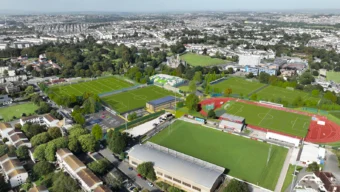
Foulston Park, Plymouth
SDS ensures redevelopment of former community sports facility is flood risk free

Buttery Farm, Shropshire
SDS enhances farm irrigation and flood resilience with wireless-controlled rainwater management systems

Eaton Fareham, Solent Airport
SDS enables resilient water management through GEOlight® attenuation for airport infrastructure

Need advice or a quote?
Please contact us to discuss how SDS might meet your project’s requirements.
Get in touch